
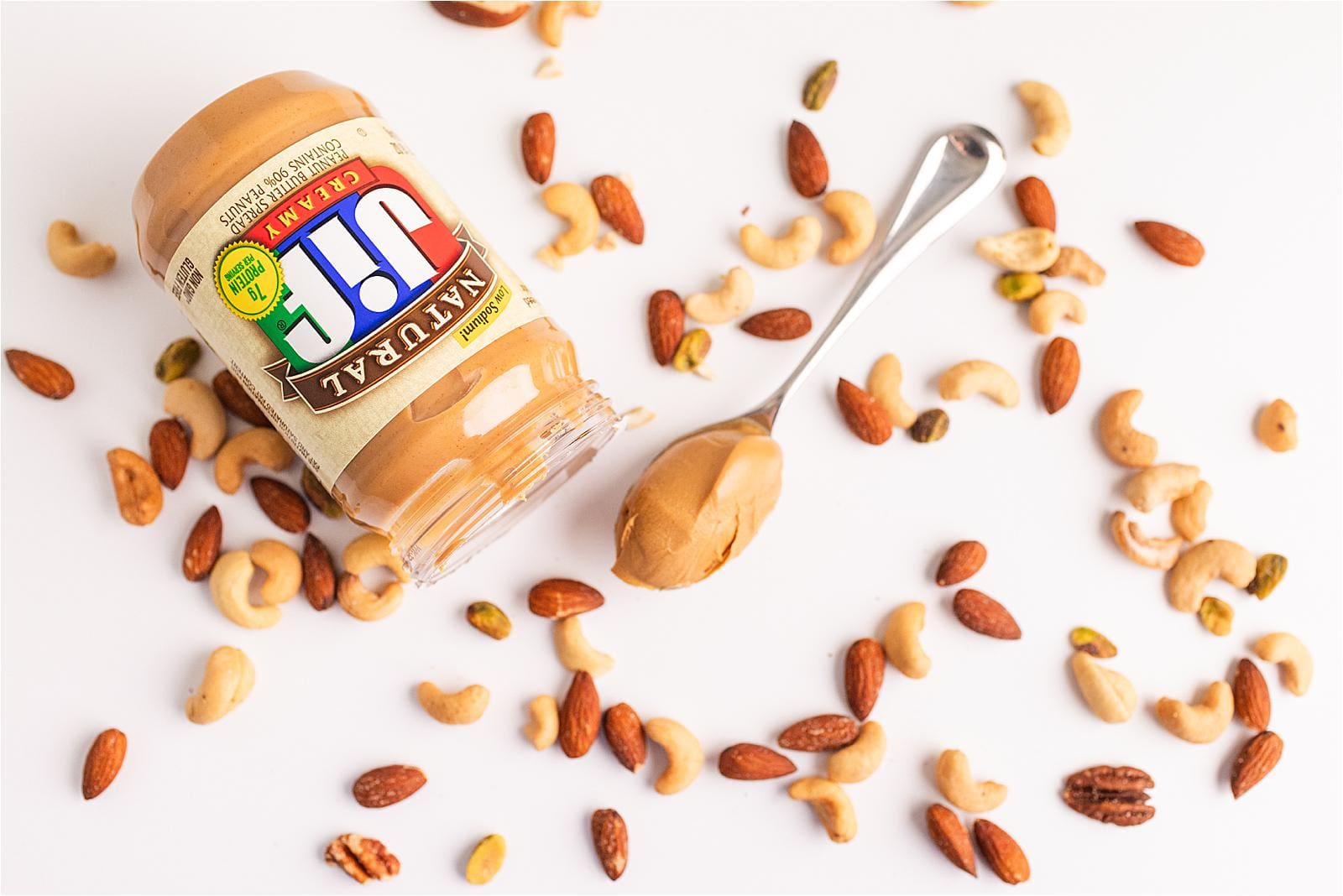

Step 1: Look for the Top 9 Allergens
Food labels in the U.S. must list peanuts as a major allergen. Always check for “Contains: Peanuts” at the bottom of the ingredients list.
Step 2: Identify Names for Peanut Ingredients
Watch out for tricky terms:
- Arachis oil (another name for peanut oil)
- Peanut flour
- Groundnuts (another name for peanuts)
- Peanut Protein Hydrolysate
- Cold-pressed peanut oil (not highly refined, may contain allergens)
- Artificial Nuts
- Beer Nuts
- Goobers
- Mixed Nuts
- Monkey Nuts
- Nut Pieces
- Nut Meat
Step 3: Watch for “May Contain” & Cross-Contact Warnings
If a label includes:
- “May contain peanuts”
- “Processed in a facility that also processes peanuts”
- “Manufactured on shared equipment with peanuts”
Then avoid the product to minimize risk. We didn’t take this seriously at first and had a (minor) reaction to something that said it was processed on a line with dairy and tree nuts.
Step 4: Know What’s Safe & Unsafe
✅ Safe Labeling Terms:
✔️ “Peanut-free” (specifically made without peanuts and with safety precautions)
✔️ “Made in a peanut-free facility”
✔️ “Allergy-friendly” (verify with brand’s allergen statement)
❌ Unsafe Labeling Terms:
❌ “May contain peanuts” (high risk of cross-contact)
❌ “Manufactured on shared equipment with peanuts”
❌ “Processed in a facility that also processes peanuts”
Step 5: Double-Check Every Time! 🔄
Ingredients and manufacturing practices can change. Always re-read labels, even on products you’ve bought before!
Pro Tip: Create a go-to list of trusted peanut-free brands to make grocery shopping easier!




Comments +