

We knew we needed to introduce the top 9 allergens to our son when he was young, so we started at 6 months old with peanut. Surprise! A reaction. From that moment on, we knew we needed a plan of how to introduce each allergen so we knew which ingredient was causing the reaction and what to do if he did have a reaction.
This framework is how we started introducing allergens – we didn’t follow this exactly for every single allergen, but we did it for most! Do what works for you, but just make sure you’re able to say with certainty which ingredients are safe and which are causing the reaction. Go slow and give yourself grace. Once we started discovering food allergies, we needed to take some time between allergens to help bring down our anxiety so we could be fully prepared mentally and physically! That’s okay. Do what works for you.
This is not medical advice, simply what we did. If you have questions about introducing allergens to your baby/child, please consult your pediatrician or allergist for your specific needs.
The top 9 allergens include:
- Milk
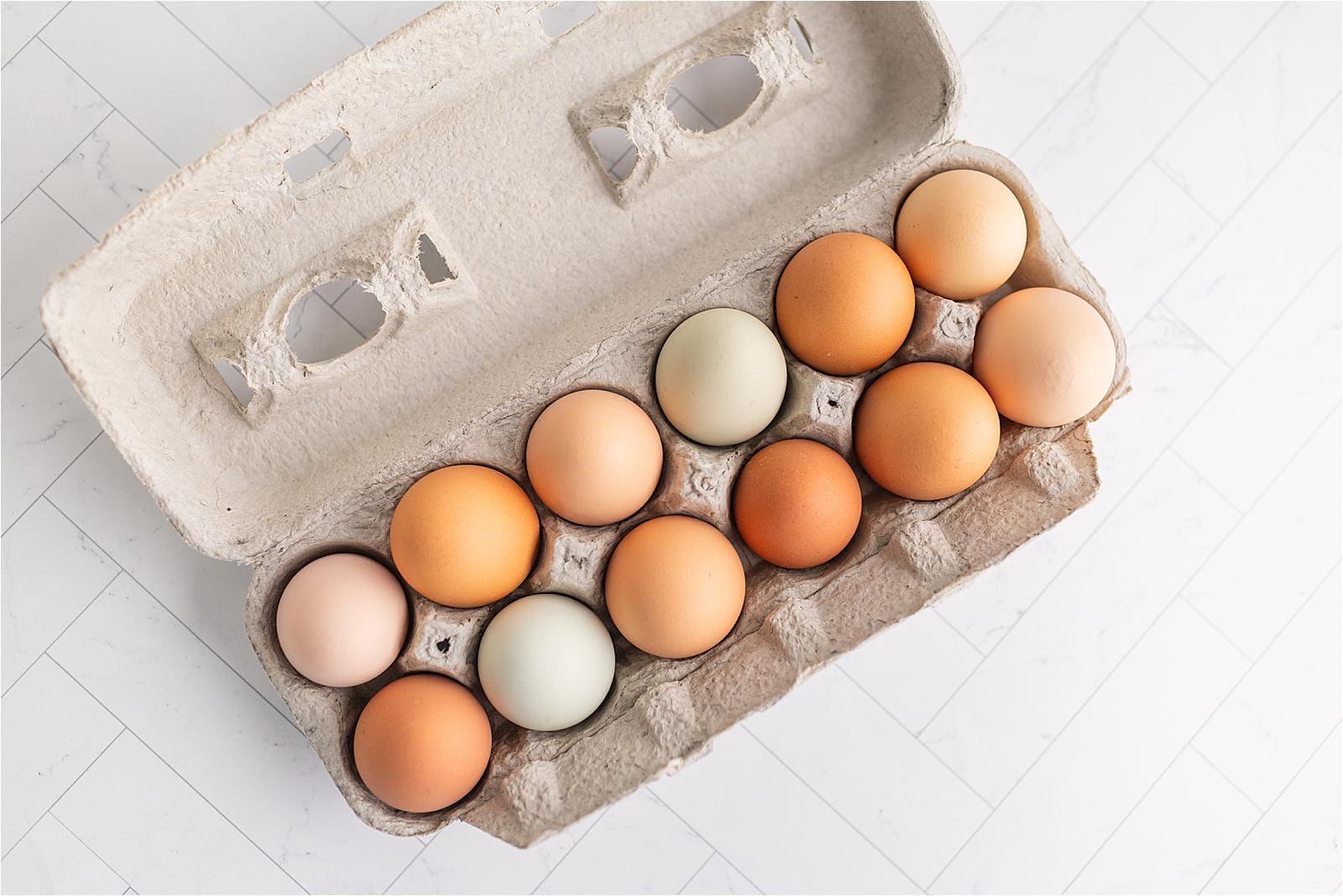
- Eggs
- Peanuts
- Tree Nuts
- Wheat
- Soy
- Fish
- Shellfish
- Sesame
General Guidelines Before Starting
- Start at the Right Time: Introduce allergens between 4-6 months, when your baby is developmentally ready for solids.
- Introduce When Baby is Well: Avoid introducing allergens if your baby is sick, has a rash, or is teething to avoid confusion with symptoms.
- One at a Time: Introduce one allergen at a time and wait 3-5 days before introducing a new one to monitor for reactions.
- Early in the Day: Give the new allergen in the morning or early afternoon so you can observe your baby for reactions.
- Start with a Small Amount: Give a pea-sized amount at first, then gradually increase if no reaction occurs.
- Mix with a Familiar Food: Combine allergens with foods your baby already tolerates, like breast milk, formula, or purees.
- Continue Regular Exposure: Once an allergen is tolerated, offer it 2-3 times per week to maintain tolerance.
Step-by-Step Guide for Each Allergen
1. Milk (Dairy)
- First Food Suggestion: Plain whole-milk yogurt, cottage cheese, or a small amount of formula/breast milk mixed into food.
- Amount: Start with ¼ teaspoon of yogurt, wait 5-10 minutes, then increase to 1 teaspoon if tolerated.
- Frequency: 2-3 times per week if no reaction occurs.
- Avoid: Straight cow’s milk as a drink before 12 months.
2. Eggs
- First Food Suggestion: Well-cooked scrambled egg, mashed boiled egg yolk mixed with breast milk or puree.
- Amount: Start with ¼ teaspoon, then increase to 1 teaspoon over the next few days. We always wait at least 5-10 minutes from giving the first small amount to the next small amount, if we decide to give more.
- Frequency: 2-3 times per week if no reaction occurs.
- Avoid: Raw or undercooked eggs.
3. Peanuts
- First Food Suggestion: Peanut butter thinned with water or breast milk, peanut powder mixed into oatmeal.
- Amount: Start with ⅛ teaspoon (a tiny dab), then increase to ¼ teaspoon and gradually to 1 teaspoon over the next few days.
- Frequency: 2-3 times per week if no reaction occurs.
- Avoid: Whole peanuts due to choking risk.
4. Tree Nuts (Almonds, Cashews, Walnuts, etc.)
- First Food Suggestion: Nut butter (thinned), nut flour in oatmeal or puree. We used Lil Mixins powder for nuts other than almond and cashew.
- Amount: Start with ⅛ teaspoon, then increase to ¼ teaspoon and gradually to 1 teaspoon.
- Frequency: 2-3 times per week if no reaction occurs.
- Avoid: Whole or chopped nuts due to choking risk.
5. Wheat
- First Food Suggestion: Wheat cereal (such as baby oatmeal with a small amount of wheat flour), whole wheat toast cut into strips.
- Amount: Start with ¼ teaspoon of wheat cereal/flour mixed into food, then increase to 1 teaspoon.
- Frequency: 2-3 times per week if no reaction occurs.
- Avoid: Processed wheat products with added sugar/salt.
6. Soy
- First Food Suggestion: Tofu mashed into food, soy yogurt, or soymilk (a small amount mixed into a familiar food).
- Amount: Start with ¼ teaspoon, then increase to 1 teaspoon.
- Frequency: 2-3 times per week if no reaction occurs.
- Avoid: Soy sauce and processed soy products with high salt content.
7. Fish
- First Food Suggestion: Well-cooked, mashed white fish (cod, salmon, tilapia).
- Amount: Start with ¼ teaspoon, then increase to 1 teaspoon.
- Frequency: 2-3 times per week if no reaction occurs.
- Avoid: High-mercury fish (shark, swordfish, king mackerel).
8. Shellfish (Shrimp, Crab, Lobster, etc.)
- First Food Suggestion: Well-cooked and finely mashed shrimp or crab.
- Amount: Start with ¼ teaspoon, then increase to 1 teaspoon.
- Frequency: 2-3 times per week if no reaction occurs.
- Avoid: Raw or undercooked shellfish.
9. Sesame
- First Food Suggestion: Tahini (sesame paste) mixed into yogurt or mashed banana.
- Amount: Start with ⅛ teaspoon, then increase to ¼ teaspoon and gradually to 1 teaspoon.
- Frequency: 2-3 times per week if no reaction occurs.
- Avoid: Whole sesame seeds, as they are a choking hazard.
Signs of an Allergic Reaction
Reactions typically appear within minutes to 2 hours after eating and may include:
✅ Mild: Rash, hives, redness around the mouth, mild vomiting, diarrhea.
🚨 Severe (Call 911): Difficulty breathing, swelling of lips/tongue, wheezing, severe vomiting, sudden lethargy.
If you suspect an allergy, stop feeding the food immediately and consult your pediatrician before trying again.




Comments +